Best National Parks for Outdoor Adventures: From challenging hikes through ancient forests to thrilling whitewater rafting expeditions, America’s national parks offer unparalleled opportunities for adventure. These protected lands boast diverse ecosystems, breathtaking landscapes, and abundant wildlife, making them ideal destinations for outdoor enthusiasts of all skill levels. This article explores the best national parks for a variety of adventures, highlighting unique activities, sustainable tourism practices, and tips for responsible travel.
We’ll delve into specific parks perfect for hiking and backpacking, kayaking and canoeing, wildlife viewing, and more. We’ll also cover sustainable tourism options, including eco-lodges, and discuss responsible travel practices to ensure these natural wonders remain pristine for generations to come. Prepare to be inspired to plan your next great outdoor adventure!
Best National Parks for Outdoor Adventures
For outdoor enthusiasts, America’s national parks represent a breathtaking tapestry of landscapes, each offering unique and unparalleled opportunities for adventure. From scaling towering granite peaks to kayaking serene turquoise waters, these protected areas provide a sanctuary for exploration and a chance to connect with the raw beauty of nature. The sheer diversity of experiences available makes them a truly unparalleled destination for anyone seeking a thrilling and fulfilling outdoor escape.National parks are ideal for diverse adventure activities for several key reasons.
Firstly, their vast size and varied terrain cater to a wide range of skill levels and interests, from leisurely hikes to challenging climbs. Secondly, the meticulous conservation efforts ensure pristine environments, allowing for immersive experiences in unspoiled wilderness. Finally, the comprehensive infrastructure and visitor services provided by the National Park Service make planning and executing adventures significantly easier and safer.This article will explore some of the best national parks for outdoor adventures, categorizing them by the type of activity they best support.
We will delve into specific parks that excel in hiking, climbing, water sports, and wildlife viewing, highlighting their unique features and providing practical information to aid in planning your next adventure.
National Parks Ideal for Hiking
Hiking enthusiasts will find a paradise in numerous national parks. The vast trail networks, ranging from gentle strolls to strenuous multi-day treks, offer something for every fitness level. For instance, Yosemite National Park, famous for its iconic granite cliffs and giant sequoia trees, boasts hundreds of miles of trails, including the challenging Mist Trail to Yosemite Falls and the more leisurely Cook’s Meadow Loop.
Grand Canyon National Park provides equally stunning vistas, with trails descending into the canyon’s depths for a truly immersive experience. The diversity of landscapes, from alpine meadows to dense forests, ensures a consistently rewarding hiking experience.
National Parks for Rock Climbing and Mountaineering
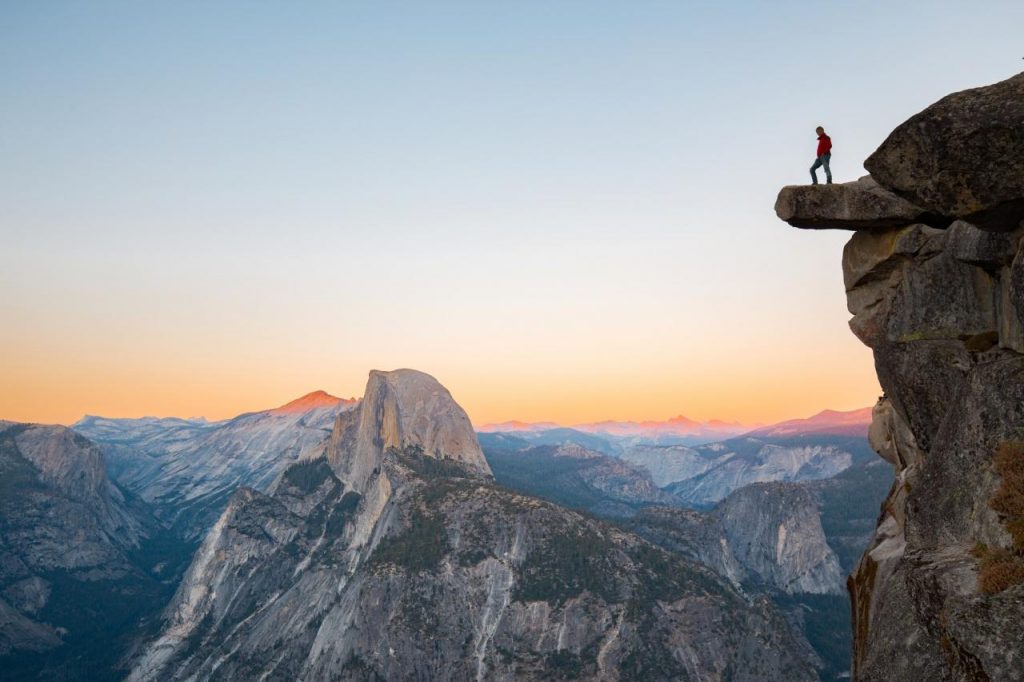
For those seeking a more challenging adventure, several national parks offer world-class rock climbing and mountaineering opportunities. Yosemite National Park, again, stands out, renowned for its sheer granite walls that have attracted climbers for generations. El Capitan and Half Dome are iconic challenges, attracting experienced climbers from around the globe. Zion National Park, with its towering sandstone cliffs and slot canyons, presents a different but equally captivating climbing experience, offering a range of difficulty levels.
Careful planning and adherence to safety guidelines are paramount in these environments.
National Parks for Water-Based Adventures
Many national parks offer exceptional opportunities for water-based adventures. Glacier National Park in Montana features pristine lakes and rivers perfect for kayaking, canoeing, and fishing. The serene beauty of Lake McDonald and the exhilarating currents of the McDonald River provide a unique blend of tranquility and excitement. Similarly, the waterways of Olympic National Park, with its diverse coastline and inland lakes, offer a wide range of water-based activities.
These parks emphasize responsible recreation, encouraging visitors to respect the fragile ecosystems and adhere to any relevant regulations.
National Parks for Wildlife Viewing
For those interested in wildlife observation, several national parks provide unparalleled opportunities. Yellowstone National Park is world-famous for its abundant wildlife, including bison, elk, wolves, and bears. Grand Teton National Park, adjacent to Yellowstone, offers equally impressive wildlife viewing opportunities, with stunning mountain scenery as a backdrop. These parks offer guided tours and educational programs to enhance the visitor experience and promote responsible wildlife viewing practices.
Observing these majestic creatures in their natural habitat is a truly awe-inspiring experience.
Top 5 National Parks for Hiking and Backpacking: Best National Parks For Outdoor Adventures
Embarking on a hiking or backpacking adventure in a national park offers unparalleled opportunities to connect with nature’s raw beauty and challenge oneself physically. The sheer diversity of landscapes, from towering mountains to serene forests, provides a wealth of options for adventurers of all skill levels. Choosing the right park depends on individual preferences for difficulty and desired scenery.
Top Five National Parks for Hiking and Backpacking Experiences
This section details five national parks celebrated for their exceptional hiking and backpacking trails, highlighting trail difficulty, scenic highlights, and unique flora and fauna. Each park presents a distinct and memorable experience.
| Park Name | Location | Trail Difficulty | Notable Features |
|---|---|---|---|
| Grand Canyon National Park | Arizona, USA | Variable; from easy rim trails to strenuous canyon hikes | The iconic Grand Canyon, with its vast scale and diverse ecosystems; views from the South Rim are easily accessible, while the North Rim offers a more remote and challenging experience. Wildlife includes the California condor, desert bighorn sheep, and various reptiles. Vegetation ranges from desert scrub to Ponderosa pine forests. |
| Yosemite National Park | California, USA | Variable; from easy paved trails to challenging climbs | Towering granite cliffs like El Capitan and Half Dome; stunning waterfalls like Yosemite Falls; giant sequoia trees in Mariposa Grove. Abundant wildlife including black bears, deer, and various bird species. Diverse flora ranging from meadows to coniferous forests. |
| Glacier National Park | Montana, USA | Variable; many trails suitable for day hikes, others demanding multi-day backpacking trips. | Over 700 miles of trails traversing alpine meadows, pristine lakes, and rugged mountains; iconic Going-to-the-Sun Road offers spectacular views. Abundant wildlife, including mountain goats, grizzly bears, and various birds. Subalpine and alpine flora, including wildflowers in abundance during summer months. |
| Great Smoky Mountains National Park | North Carolina and Tennessee, USA | Variable; from easy nature trails to challenging mountain climbs. | Appalachian Mountain range scenery; diverse forests with abundant plant life; waterfalls and streams. Abundant wildlife including black bears, white-tailed deer, and various bird species. Rich biodiversity, with a wide range of plant species including many wildflowers. |
| Olympic National Park | Washington, USA | Variable; ranging from easy coastal walks to challenging rainforest hikes and mountain climbs. | Diverse ecosystems including rainforests, mountains, and coastline; diverse wildlife including Roosevelt elk, black bears, and various marine mammals. Abundant flora including old-growth forests, wildflowers, and unique coastal plants. |
National Parks Ideal for Water Adventures
Exploring America’s national parks offers a diverse range of experiences, and for those who love water, several parks provide exceptional opportunities for kayaking, canoeing, and rafting. These waterways, each with their unique challenges and rewards, offer unforgettable adventures for paddlers of all skill levels, from tranquil glides to exhilarating rapids. Careful planning and preparation are crucial for a safe and enjoyable experience.
Kayaking the Apostle Islands National Lakeshore, Wisconsin
The Apostle Islands National Lakeshore, located on the southern shore of Lake Superior, presents a stunning kayaking experience. The calm waters of the bays offer a relaxing paddle amidst towering sea caves and picturesque islands, while the open lake provides a more challenging adventure for experienced kayakers. The varying water conditions mean that planning your route based on your skill level and weather conditions is paramount.
The dramatic cliffs and diverse wildlife, including bald eagles and ospreys, enhance the overall experience.
Necessary equipment and safety precautions for kayaking in the Apostle Islands include:
- A sea kayak designed for open water conditions.
- A waterproof dry bag to protect personal belongings.
- A life jacket or personal flotation device (PFD).
- A paddle and paddle float.
- A whistle for signaling.
- Navigation tools, including a map and compass or GPS.
- Appropriate clothing for varying weather conditions.
- Sunscreen, hat, and sunglasses.
- First-aid kit.
- Check weather conditions and water levels before embarking on your trip.
- Inform someone of your planned route and expected return time.
Canoeing the Boundary Waters Canoe Area Wilderness, Minnesota
The Boundary Waters Canoe Area Wilderness (BWCAW) in northern Minnesota offers an extensive network of interconnected lakes and rivers perfect for canoeing. This vast wilderness area presents a challenging yet rewarding experience, requiring paddlers to navigate portages and plan their routes carefully. The pristine lakes and abundant wildlife, including moose, loons, and various bird species, make it an unforgettable journey into the heart of the Northwoods.
Portaging, the process of carrying your canoe and gear overland between lakes, is a significant part of the BWCAW experience, requiring physical stamina and planning.
Essential equipment and safety considerations for canoeing in the BWCAW include:
- A durable canoe suitable for portaging.
- Lightweight camping gear.
- Life jackets or PFDs for all participants.
- Waterproof bags and containers for food and supplies.
- A map, compass, and GPS.
- First-aid kit and emergency supplies.
- Insect repellent and sunscreen.
- Appropriate clothing for all weather conditions.
- Obtain necessary permits and familiarize yourself with BWCAW regulations before your trip.
- Be prepared for potential encounters with wildlife and know how to react safely.
Rafting the Colorado River through the Grand Canyon National Park, Arizona
Rafting the Colorado River through the Grand Canyon is an iconic adventure. This multi-day journey requires experience and fitness, as the river presents powerful rapids and unpredictable currents. The sheer scale of the canyon walls, the unique geology, and the diverse flora and fauna make this a truly unforgettable experience. Guided trips are highly recommended, as experienced guides provide expertise in navigating the rapids and ensuring safety.
Equipment and safety measures for Grand Canyon rafting trips typically include:
- Provisions provided by the rafting company, including rafts, paddles, safety gear, and camping equipment.
- Life jackets or PFDs are mandatory.
- Helmets are usually provided for protection in rapids.
- Dry bags for personal belongings.
- Listen carefully to your guide’s instructions and follow safety protocols at all times.
- Be aware of potential hazards, such as rocks, strong currents, and unpredictable weather.
- Book your trip with a reputable and experienced rafting company.
Exploring National Parks for Wildlife Viewing
National parks offer unparalleled opportunities for wildlife observation, providing a glimpse into the natural world largely untouched by human development. The diversity of habitats within these protected areas supports a remarkable array of species, making them ideal destinations for nature enthusiasts and wildlife photographers alike. Careful planning, including consideration of the best time of year to visit, is crucial for maximizing the chances of encountering specific animals.
Exceptional Wildlife Viewing Locations in National Parks
Three national parks stand out for their exceptional wildlife viewing opportunities, each boasting unique ecosystems and animal populations. These parks offer a diverse range of experiences, from observing majestic predators to encountering elusive creatures in their natural habitats. The timing of your visit significantly impacts the likelihood of successful wildlife sightings, as animal behavior and visibility vary throughout the year.
Yellowstone National Park: A Hotspot for Large Mammals
Yellowstone National Park, renowned for its geothermal features, also harbors a rich diversity of large mammals. The best time to visit for wildlife viewing is typically during the spring and summer months (May-September), when animals are more active and visible. Key species include:
- American Bison: These iconic herbivores roam the plains and valleys of Yellowstone in large herds, often seen grazing or wallowing in mud. Their shaggy coats provide excellent camouflage during winter months.
- Gray Wolves: Reintroduced to Yellowstone in the 1990s, gray wolves are a significant apex predator. Sightings are more common in winter when snow cover makes tracking easier. They are highly social animals, living in packs and exhibiting complex social behaviors.
- Grizzly Bears: Yellowstone is home to a significant population of grizzly bears. These powerful omnivores are most active in spring and summer, foraging for berries, insects, and fish. Encountering them requires caution and maintaining a safe distance.
Grand Teton National Park: A Paradise for Mountain Wildlife
Grand Teton National Park, adjacent to Yellowstone, offers a stunning mountain landscape teeming with wildlife. Summer and early fall (June-September) provide the best opportunities for wildlife viewing, with animals more active during the warmer months. Notable species include:
- Pronghorn Antelope: These swift and graceful animals inhabit the open grasslands and meadows of the park. They are highly adaptable and can be seen throughout the year, but are most easily spotted in the summer months.
- Bighorn Sheep: These impressive mammals are often seen grazing on steep slopes and rocky cliffs. Observing them requires patience and a good spotting scope, as they blend well with their surroundings.
- Moose: Moose are a common sight in Grand Teton, particularly along the riverbanks and in forested areas. They are most active during dawn and dusk.
Everglades National Park: A Unique Wetland Ecosystem
Everglades National Park, a vast subtropical wilderness in southern Florida, offers a unique wildlife viewing experience. The best time to visit is during the dry season (November-April), when water levels are lower and wildlife is more concentrated. Key species include:
- American Alligator: These impressive reptiles are abundant throughout the Everglades, often seen basking in the sun or lurking in the shallows. Their size and powerful jaws command respect.
- Manatees: These gentle giants inhabit the waterways of the Everglades, often seen grazing on seagrass. They are most easily spotted in the winter months when they congregate in warmer waters.
- Various Bird Species: The Everglades are a haven for birdlife, with numerous wading birds, raptors, and songbirds. The dry season offers excellent opportunities for birdwatching.
National Parks and Eco-Lodges
Sustainable tourism is increasingly important for preserving the natural beauty and biodiversity of our national parks. Eco-lodges play a crucial role in this effort, offering a responsible and environmentally conscious alternative to traditional hotels. By minimizing their environmental impact and actively contributing to conservation efforts, eco-lodges help ensure the long-term health of these precious ecosystems and the enjoyment of future generations.Eco-lodges are designed to minimize their environmental footprint through sustainable building practices, responsible resource management, and community engagement.
They often incorporate locally sourced materials, utilize renewable energy sources, and implement water conservation measures. Furthermore, many eco-lodges actively support local communities through employment opportunities and by contributing to conservation projects within the surrounding national park areas.
Examples of Eco-Lodges Near National Parks and Their Sustainable Practices
Several eco-lodges demonstrate exceptional commitment to sustainability. For instance, imagine a lodge nestled near Glacier National Park in Montana. This lodge might utilize solar panels for electricity, employ rainwater harvesting systems for irrigation, and source food from local farms, reducing its carbon footprint and supporting the local economy. Another example could be an eco-lodge near Costa Rica’s Manuel Antonio National Park, built using sustainably harvested timber and designed to blend seamlessly with the surrounding rainforest.
This lodge could offer educational programs on rainforest conservation and employ local guides to lead nature walks, fostering a deeper understanding and appreciation for the park’s ecosystem. These practices showcase how eco-lodges can actively contribute to the preservation of these valuable natural resources.
Environmental Impact Comparison: Traditional Hotels vs. Eco-Lodges, Best national parks for outdoor adventures
Traditional hotels and eco-lodges differ significantly in their environmental impact. Traditional hotels often rely heavily on non-renewable energy sources, consume large quantities of water and energy, and generate substantial waste. They may also utilize non-local materials in their construction and operations, contributing to increased carbon emissions and a larger ecological footprint. In contrast, eco-lodges prioritize energy efficiency, water conservation, and waste reduction.
They often utilize renewable energy sources, employ sustainable building materials, and minimize their reliance on single-use plastics. This results in a significantly smaller carbon footprint and a reduced impact on the surrounding environment. The difference can be substantial; a well-designed eco-lodge might have a carbon footprint several times smaller than a comparable traditional hotel. This difference is not just theoretical; studies comparing energy consumption and waste generation between eco-lodges and traditional hotels have shown a clear advantage for eco-lodges in minimizing environmental impact.
Birdwatching in National Parks
National parks across the United States offer unparalleled opportunities for birdwatching enthusiasts, boasting diverse habitats and a rich array of avian species. From majestic raptors soaring overhead to vibrant songbirds flitting through the undergrowth, these protected areas provide sanctuary for countless bird species, many of which are rare or endangered. The combination of pristine environments and dedicated conservation efforts makes national parks ideal locations for observing birds in their natural habitats.
Prime Birdwatching Destinations
Three national parks stand out as exceptional locations for birdwatching: Everglades National Park in Florida, Great Smoky Mountains National Park in North Carolina and Tennessee, and Yellowstone National Park in Wyoming, Montana, and Idaho. Each park offers a unique avian experience, reflecting its distinct ecosystem and geographical location.
Everglades National Park: Avian Life in a Subtropical Wetland
Everglades National Park, a vast subtropical wilderness, supports a remarkable diversity of birdlife. Its diverse habitats, including sawgrass marshes, mangrove forests, and cypress swamps, provide crucial breeding and foraging grounds for numerous species.The park is renowned for its wading birds, with large flocks of roseate spoonbills, wood storks, and great egrets often sighted. Other notable species include the elusive snail kite, the vibrant painted bunting, and various species of herons and ibises.
The best time for birdwatching in the Everglades is during the dry season (November to April), when water levels are lower, making birds easier to spot. Early mornings and late afternoons generally offer the best viewing opportunities, as birds are most active during these times. The Anhinga Trail and the Shark Valley are popular locations for birdwatching.
Great Smoky Mountains National Park: Appalachian Avian Diversity
The Great Smoky Mountains National Park, a UNESCO World Heritage Site, is home to a surprising variety of bird species for its mountainous terrain. The park’s diverse forests, from hardwood stands to spruce-fir forests, provide habitats for a wide range of birds.Notable species include the cerulean warbler, a stunningly blue songbird; the black-throated blue warbler, known for its striking plumage; and the wood thrush, whose melodious song fills the forest.
Raptors such as the red-shouldered hawk and the broad-winged hawk can also be observed. The best time to visit for birdwatching is during the spring and fall migrations, when many species pass through the park. The best habitats for birdwatching are along streams and rivers, in the forest understory, and in the higher elevation spruce-fir forests.
Yellowstone National Park: Birds of the Northern Rockies
Yellowstone National Park, famed for its geothermal features and abundant wildlife, also offers exceptional birdwatching opportunities. The park’s diverse habitats, including forests, grasslands, and lakes, attract a wide array of avian species.Notable species include the bald eagle, a majestic symbol of the United States, which can be seen fishing along the rivers; the osprey, a powerful fishing hawk; and various waterfowl species, such as trumpeter swans and Canada geese, which frequent the park’s lakes and rivers.
The best time for birdwatching in Yellowstone is during the spring and summer months, when many birds are breeding and nesting. Early mornings and late afternoons are generally the best times for viewing, as birds are most active then. The Hayden Valley and the Lamar Valley are known for their abundant birdlife.
Forest Adventures in National Parks
National parks across the country offer a wealth of opportunities beyond hiking and wildlife viewing. Many boast stunning forests ripe for unique adventure activities, providing thrilling experiences amidst nature’s grandeur. These activities, however, require careful consideration of safety and adherence to park regulations.
Several national parks have embraced the growing popularity of forest adventures, offering a range of experiences from gentle treetop walks to adrenaline-pumping zip lines. These activities not only provide entertainment but also offer a new perspective on the forest ecosystem, allowing participants to appreciate its beauty and complexity from a unique vantage point.
Forest Adventure Activities in Selected National Parks
Three national parks stand out for their diverse and well-developed forest adventure offerings. These parks prioritize safety and environmental sustainability, ensuring a responsible and enjoyable experience for all visitors.
The specific activities and their intensity vary from park to park, influenced by factors such as the forest’s topography, tree species, and existing infrastructure. Understanding these differences is crucial for selecting the right adventure based on personal preferences and physical capabilities.
- Olympic National Park (Washington): Olympic National Park, with its vast temperate rainforests, offers guided canopy tours and treetop walks. These experiences provide breathtaking views of the forest canopy and opportunities to spot wildlife from a unique perspective. The walks typically involve traversing well-maintained elevated walkways, suitable for various fitness levels.
- Sequoia & Kings Canyon National Parks (California): Known for their giant sequoia trees, these parks may offer zip-line courses that navigate through the forest, offering thrilling rides amongst the majestic trees. The zip lines are generally designed with multiple levels of difficulty, catering to both beginners and experienced adventurers. Safety harnesses and experienced guides are integral to these activities.
- Great Smoky Mountains National Park (North Carolina & Tennessee): While perhaps not as renowned for high-thrill forest adventures as others, the Smokies still offer opportunities for exploration through its extensive trail network. These trails wind through diverse forest ecosystems, providing a more immersive, though less overtly “adventurous,” experience within the forest itself. This approach allows for a slower pace of exploration and greater appreciation for the park’s biodiversity.
Safety Measures and Regulations in Forest Adventure Activities
Safety is paramount in all forest adventure activities. Participants should always adhere to the instructions given by trained guides and staff. This includes wearing appropriate safety gear, such as harnesses, helmets, and gloves, where provided. Parks often have specific age and weight restrictions for certain activities, which must be carefully reviewed before participation.
Prior to engaging in any activity, it is crucial to check the park’s official website for updated safety guidelines, potential weather advisories, and any temporary closures or restrictions. Understanding and respecting these regulations is essential for both personal safety and the preservation of the park’s natural environment. Many parks require advance booking for guided activities, and this should be factored into planning.
Comparison of Forest Adventure Types Across Parks
The types of forest adventures available differ significantly across these parks, reflecting their unique characteristics and infrastructure. Olympic National Park emphasizes gentler, more observational experiences through its canopy walks, providing a focus on appreciating the forest’s beauty. Sequoia & Kings Canyon National Parks offer a more adrenaline-fueled experience with zip lines, catering to thrill-seekers. Great Smoky Mountains National Park, with its extensive trail system, allows for a self-guided, immersive experience within the forest, emphasizing exploration and discovery at a more relaxed pace.
The choice of park ultimately depends on individual preferences and desired intensity of the adventure. Those seeking a gentler, more contemplative experience might prefer Olympic National Park’s canopy walks, while thrill-seekers may find the zip lines in Sequoia & Kings Canyon National Parks more appealing. Great Smoky Mountains National Park offers a middle ground, perfect for those who prefer a more self-guided and immersive exploration of the forest.
Exploring America’s national parks offers an unparalleled opportunity to connect with nature and experience the thrill of outdoor adventure. Whether you’re an experienced hiker, a passionate wildlife photographer, or simply seeking a peaceful escape, these protected landscapes provide something for everyone. Remember to prioritize sustainable travel practices, respect wildlife, and leave no trace behind, ensuring these incredible destinations remain preserved for future generations to enjoy.
Commonly Asked Questions
What is the best time of year to visit national parks?
The best time varies greatly depending on the park and the activities you plan. Research specific parks for optimal weather and wildlife viewing conditions.
How much does it cost to enter a national park?
Entrance fees vary by park. Some parks are free, while others charge a per-vehicle or per-person fee. Check the National Park Service website for details.
What gear should I bring on a national park trip?
This depends on your planned activities. Essentials include sturdy footwear, appropriate clothing for all weather conditions, water bottles, sunscreen, insect repellent, a first-aid kit, and a map.
Are pets allowed in national parks?
Pet policies vary by park. Many parks allow pets on leash in designated areas, but some restrict or prohibit them entirely. Check individual park regulations before your visit.


